I wasn’t always the woman who could comfortably enjoy a burger or a salad alone in a restaurant.
Wandering museums, browsing Saturday markets, sipping coffee slowly as I strolled a boardwalk. Those weren’t things I did. At 18, I was the kind of young woman who wouldn’t stop for gas if I was alone. I stuck to drive-thrus. And I won’t lie, sometimes I’d order two meals, pretending one was for someone else.

From an early age, I learned that being alone meant being unworthy of company. I clung to friendships, even fragile ones, just to avoid solitude. I’d hang out at other kids’ homes, wait while they got ready, linger in their presence, anything not to feel the ache of being by myself.
Later, in my teens, addiction taught me another form of aloneness. Isolated, afraid of myself, afraid of others. I didn’t yet understand the difference between being alone and being lonely. That realization came much later.

Recovery brought me back to myself. It taught me how to be with the discomfort, to feel without fleeing, to sit with my thoughts without chasing a high or a person. That was the foundation for walking the Camino de Santiago, a journey where I was rarely physically alone, but deeply alone in my thoughts. In a different country. Speaking a different language. Separated, yet strangely connected.
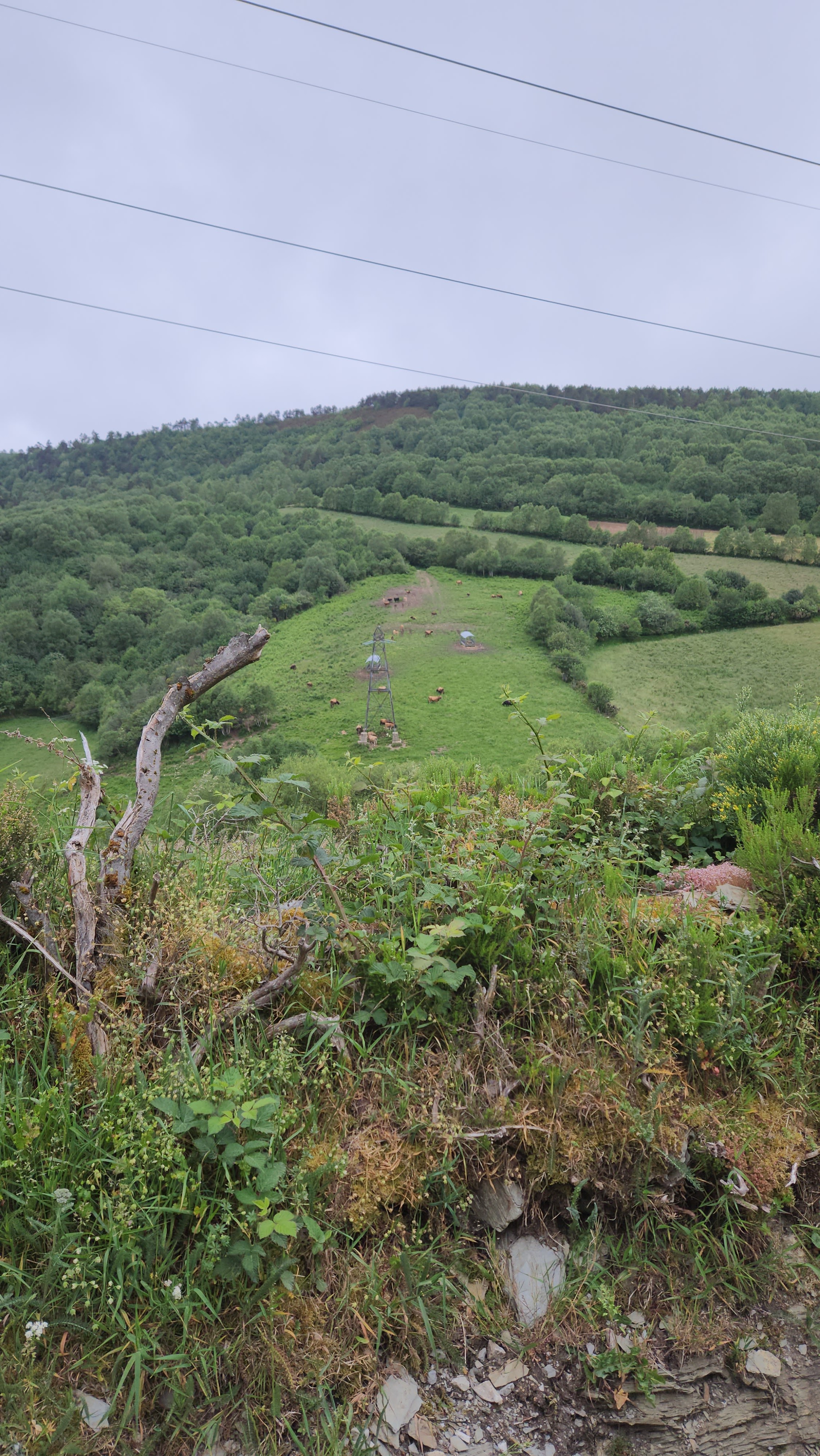
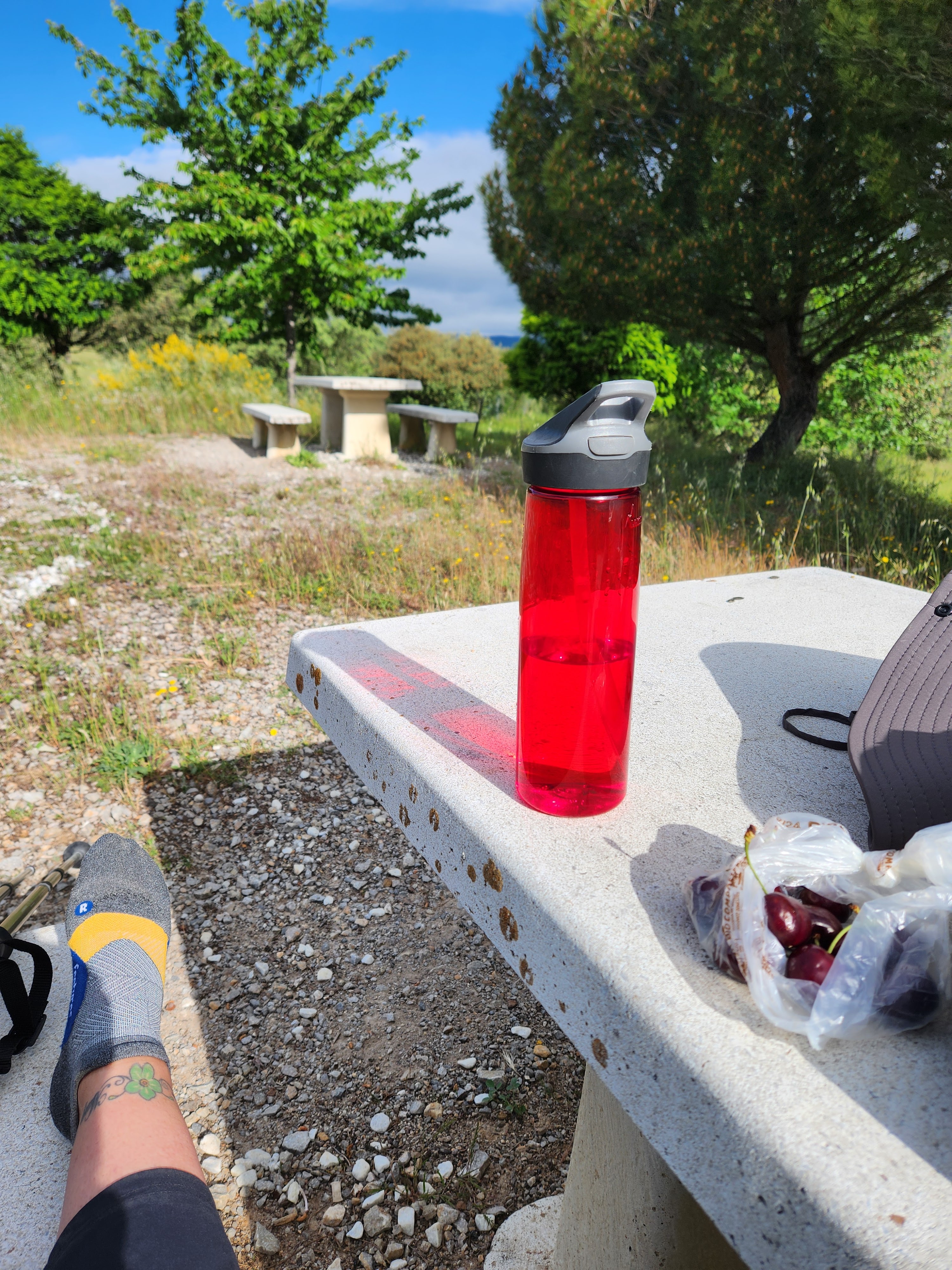
Fast forward years later: I’m trekking through a golden-hued valley in Spain. I pause, turn around, phone in hand, capturing the rolling hills. It’s June, the hottest June on record they say in the news. I rise before dawn to beat the sun, yet still sweat through my fast-drying clothes under a 12-pound pack. And yet, I’m exactly where I want to be.
1. It’s okay to sit still.
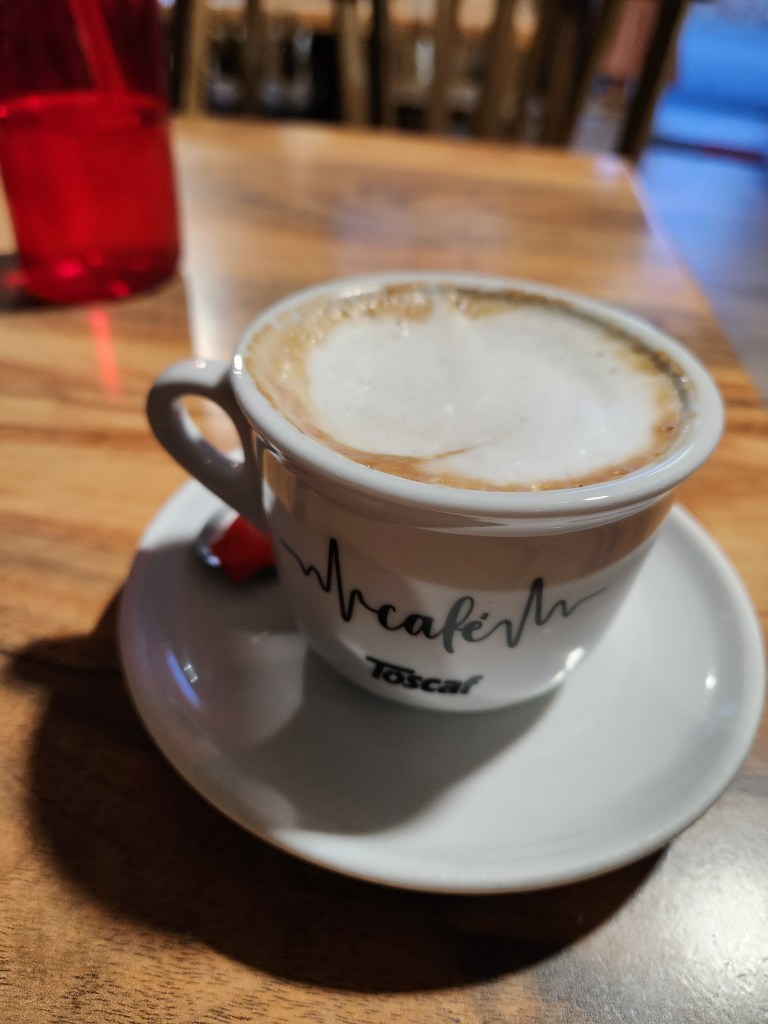
I used to believe movement was survival. But the truth is, stillness is also strength. Whether sitting at a café, lying on a blanket by the sea, or pausing on a stone wall in a city I don’t know yet. Remaining is a form of presence. Take up space. Stay. Savor the café con leche and croissant. Watch the clouds roll by. Wander aimlessly. Explore without urgency.
2. Live in the moment.
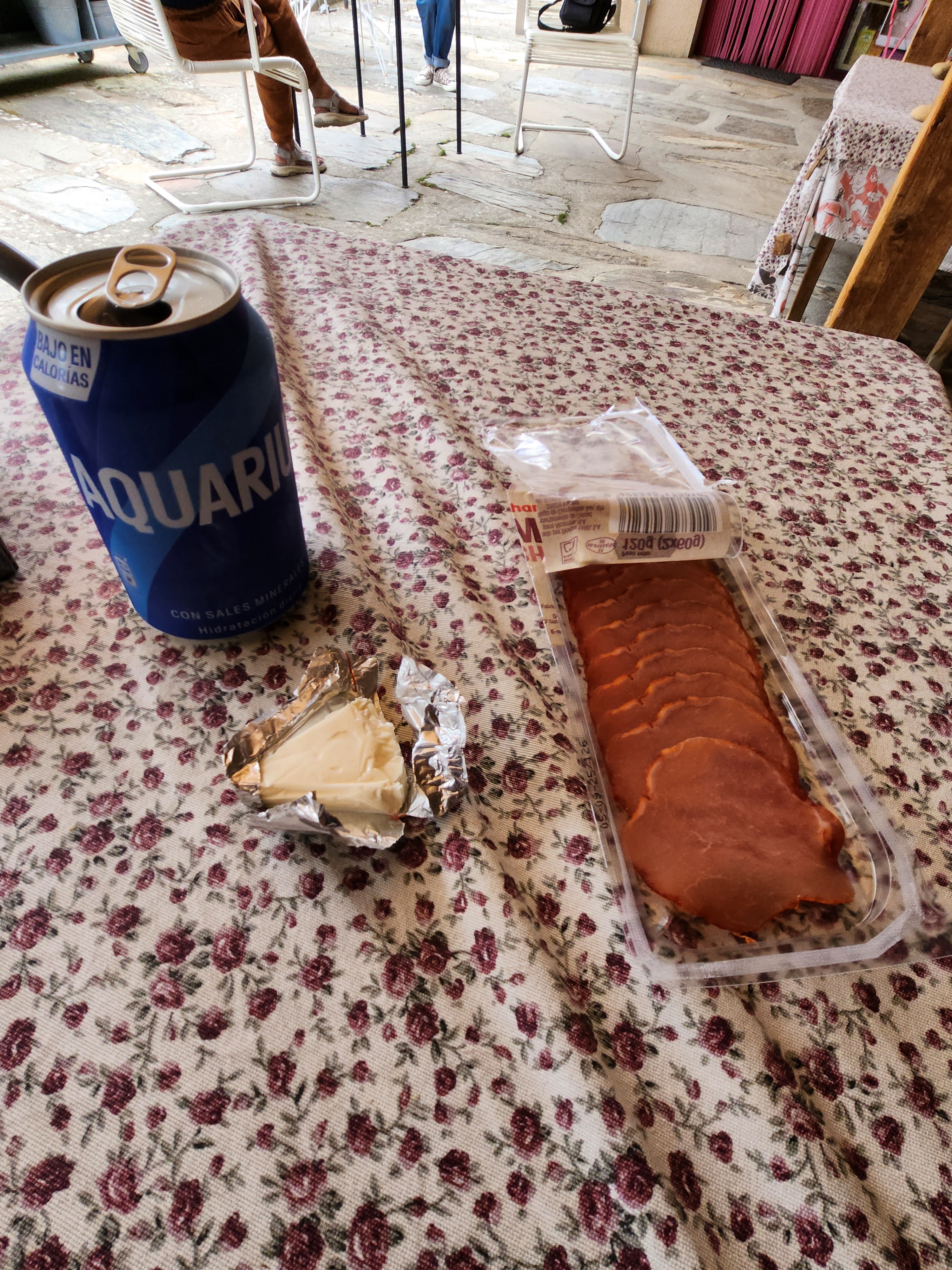
We hear that phrase so often it can feel hollow but when I remember Spain, what stays with me most are the moments shared. Like the evening I found myself in a lively bar-café, drinking my usual Aquarius, with some regional ham and cheese before me, when a woman from my albergue appeared. She danced and sang while enjoying her meal. “My birthday is in a few days,” she said, one of the few things I understood before pulling out my translator. Later she told me she was turning 72. From Mexico. Walking the Camino for herself. “I lived for everyone else,” she said, shaking her head. “Now it’s my turn.”
She became one of my heroes.
3. The Universe always answers.
One tough morning, as I trudged uphill with a heavy heart and heavier thoughts, I prayed the kind of walking prayer that only comes in rhythm with breath and footsteps: That Tony, my domestic partner, would listen. Would be kind. Would communicate meanfully.
Moments later, I passed a man who had waved from his car on the road earlier. He was entering a café as I walked by. “Buen Camino,” he nodded warmly. I smiled and returned the greeting.
“Where are you from?” he asked.
“Alaska,” I replied. Most people didn’t know where Alaska was, or had heard of Alaska and found it interesting, a far away land they had never met someone from.
“Do you know Alaska?” he asked, or so I thought.
Then he repeated it: “Juneau, Alaska?”
Laughter burst out of me. “Yes!” I said. “I’m from Juneau!”
“Let me buy you a coffee,” he offered, delighted to meet someone who knew his Juneau. I’d just had one a few miles back, but something told me this moment mattered. So I agreed.

I told him I was walking alone, but gestured to my hip belt, “I’m not really alone.” I carried the ashes of my grandparents, my mother, my friend Macadoo and his daughter Jennifer. He listened, then shared his own story: at 89, he was walking the Camino his way, driving between villages, walking a few kilometers each day. “My wife never wanted to do it. I always hoped we would. But now, I’m here and she’s with me.” He pulled up his pant leg to show me: purple socks in her honor. Her wedding band is on his pinkie finger. We talked about family, travel, the Camino. He did very well for himself, and had traveled extensively. Asking where his favorite place to travel was, he answered, “anywhere with her.” Meaning his wife.
I smiled, moved. I didn’t even know my new friends name. “What’s your name?” I asked, extending my hand.
He took it, smiling back.
“Tony.”
Not every message from the universe is dramatic. Sometimes it’s quiet, like saying no when something doesn’t feel right. Or saying yes, even when part of you thinks you should say no, just to save time.
4. You can say no.
When I was about 11, my mom took me shopping for school shoes. I didn’t see anything I really liked, but feigned interest in a blue pair of tennis shoes. The salesman brought out my size, and even though I didn’t want them. My feet looked like flippers, but I felt bad and said, “Sure.”
My mom had been impatient during the trip, and I’d already picked up on this unspoken rule: If someone puts in effort, even if it’s not what you want, you owe them. Because he went and got the shoes, I had to smile and take them home.
I wore them maybe twice. Then I made sure to lose them quickly. It sucked, because there wasn’t more money for another pair. I’d made a bad decision from a place of guilt—and it cost me.
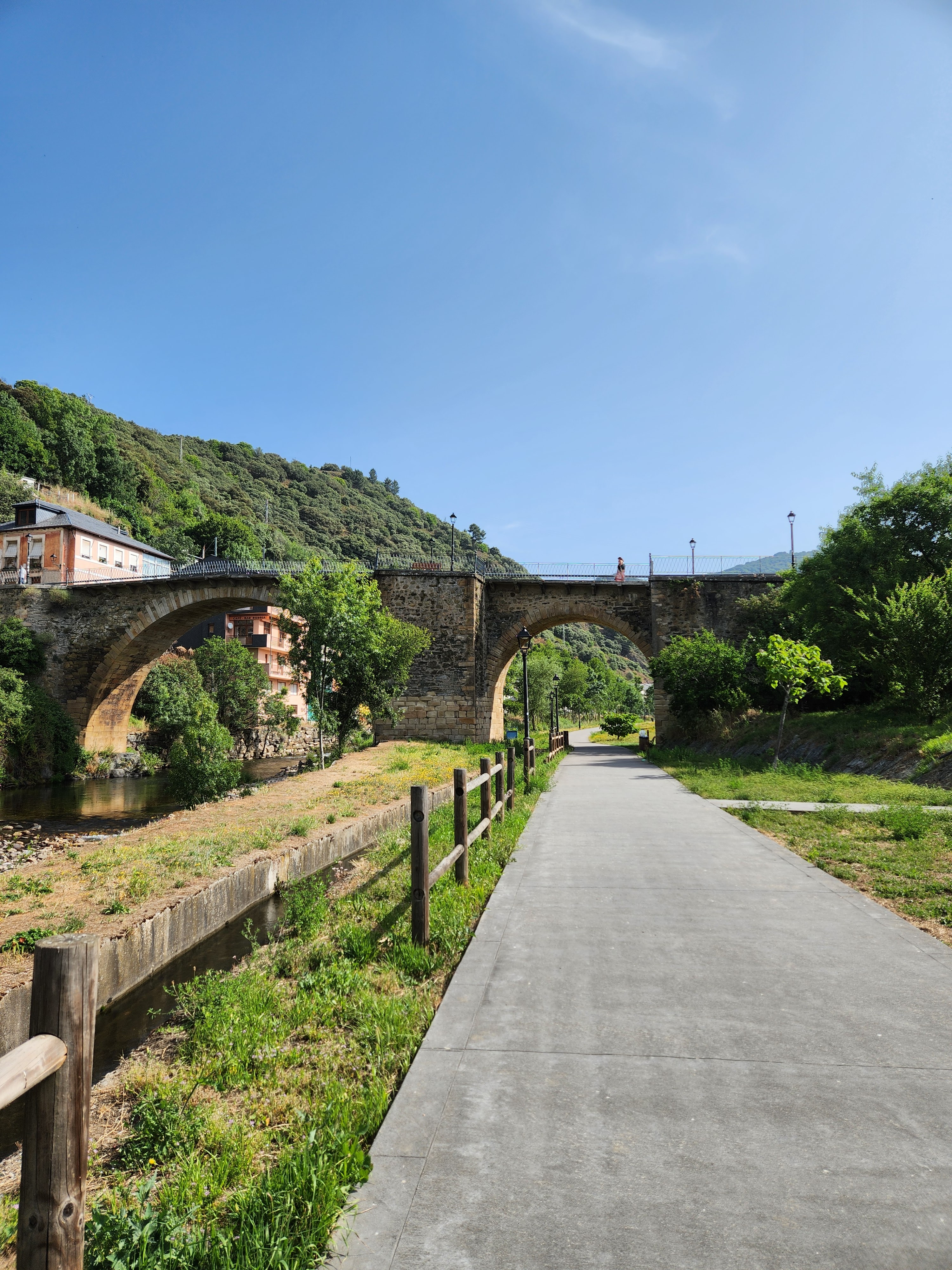
Fast forward to Astorga, a beautiful city, with windy hills and castle tufts along the edges of a walking stroll on the Camino, and I needed a larger day pack because I’d been sending my big bag forward (it was June, and brutally hot and I needed all the help I could get). I wandered into a shop where the salesman was eager to help. He used a long pole to pull down several fancy day packs from high shelves, removing the stuffing and presenting each one proudly.
But they weren’t right. Too big. Too expensive. Too… not me.
And still, I felt it: that same childhood guilt bubbling up.
But this time, I thanked him, smiled, and left. Down the alley, I found a tiny convenience store where I spotted a plain, awkwardly-zippered backpack for five euros. It was perfect.
No guilt. No obligation. My 11-year-old self would’ve been proud.
5. Take the Bus When You Need To
Our bodies have limits. Some of us are good at certain things, some of us aren’t, and that’s okay. One of the hardest lessons I’ve had to learn and re-learn is not to compare myself to others. My Camino isn’t anyone else’s camino, and although I wrestled a bit about shortcuts, no one but me was walking in my shoes. Literally.
Even when I think I’m not comparing, I’ve started asking myself why I feel bad about changing my mind. It usually comes down to one of four things:
Guilt
Because others are doing it, so I should too.
Expectations
Because I had it in my mind to do something, and dammit, I need to follow through.
Comparison
Because I assume someone else knows better, or is stronger, or doing it the “right” way.
Desire
Because I simply don’t want to. And honestly, that’s the only reason that should matter.
I took a cab. I took a bus. While walking the Camino.
One morning, my legs were done. I needed rest. I called a cab to the next town, and it was exactly what I needed.
The bus was different.

I needed that too, but it came with more doubt. I boarded reluctantly, still trying to cling to the idea that “real” pilgrims walk every step. As the narrow road twisted up into the hills, the bus hugging cliffs with nothing but a sharp drop below, I suddenly wished I hadn’t gotten on. My stomach clenched. It was terrifying. I told myself I should’ve just kept walking. I should’ve earned it.
But here’s the truth I keep coming back to: I was tired. I was scared. I needed help.
And needing help is not the same as failing.
I used to think growth came from pain. From doing the hard thing no matter what.
But now I know that growth can come from kindness. From listening to yourself. From choosing rest, and not making yourself suffer just to prove a point.
Sometimes the hardest trail to take is the one where you let it be easier.
I wasn’t always the woman who could savor her own company, let alone trust herself to know what she needed, whether it was rest, movement, silence, or connection.
But somewhere between the quiet museum corners, sunrise walks, shared stories, and small acts of choosing myself, again and again, I became her. I am still becoming her.

The Camino didn’t give me that transformation, it revealed it. I had it in me all along. Every step, detour, and pause reminded me that healing isn’t a finish line you cross, it’s a life you learn to live.
One choice at a time.
Alone, but never lonely.
 This Is How We Rise
Leave a comment